
Lantern rooms
Copper framing resisted salt corrosion, but panes still clouded quickly under sea mist and soot.
Archive Plates
A curated run of field photographs and interior studies, arranged like an editorial contact sheet. Each plate preserves a place, a surface, or a keeper-era detail tied to the working life of these towers.
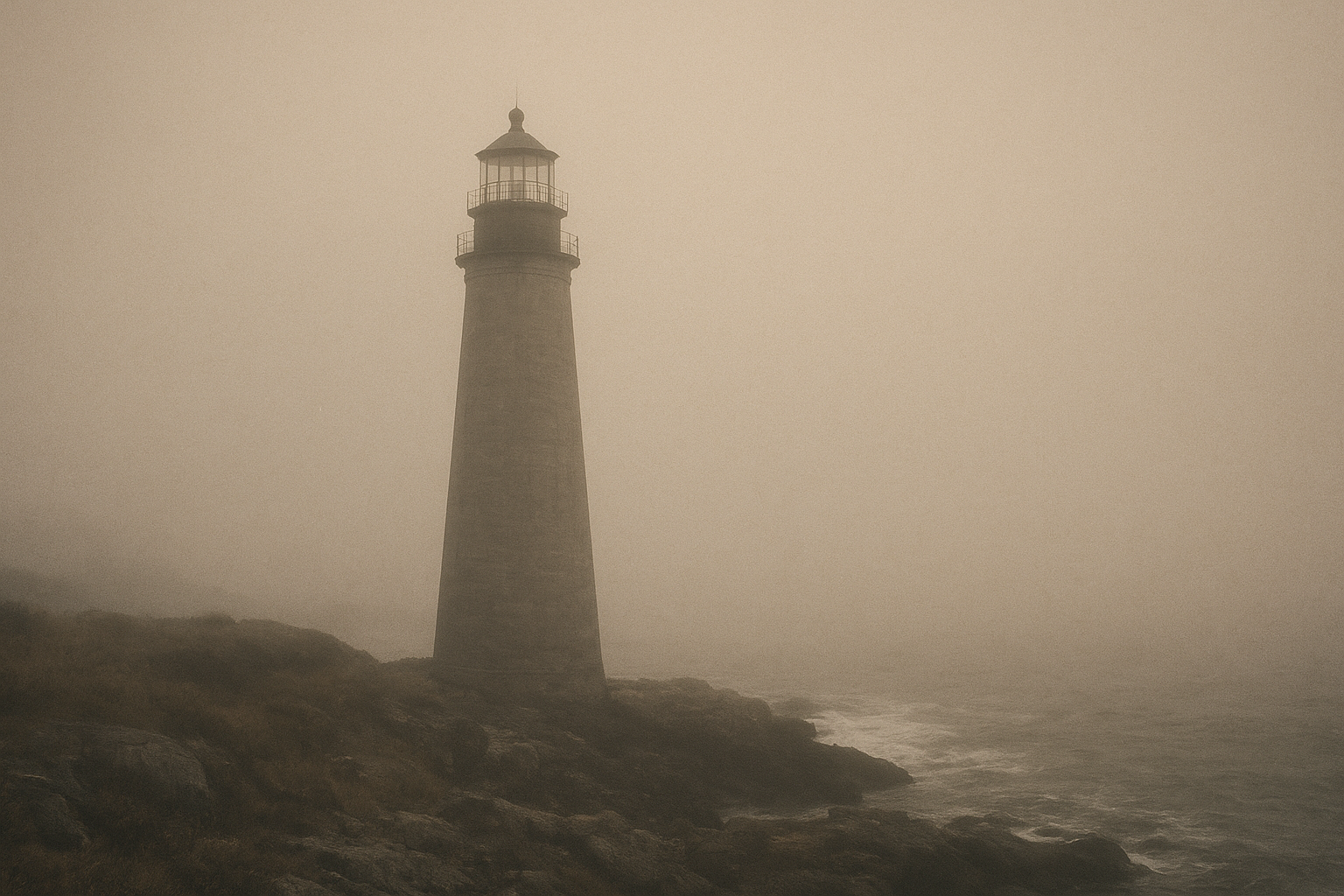
Plate 01 · Headland Watch
Morning fog often reduced visibility to less than a cable length, making this tower the first reliable landmark for inbound fishing craft.
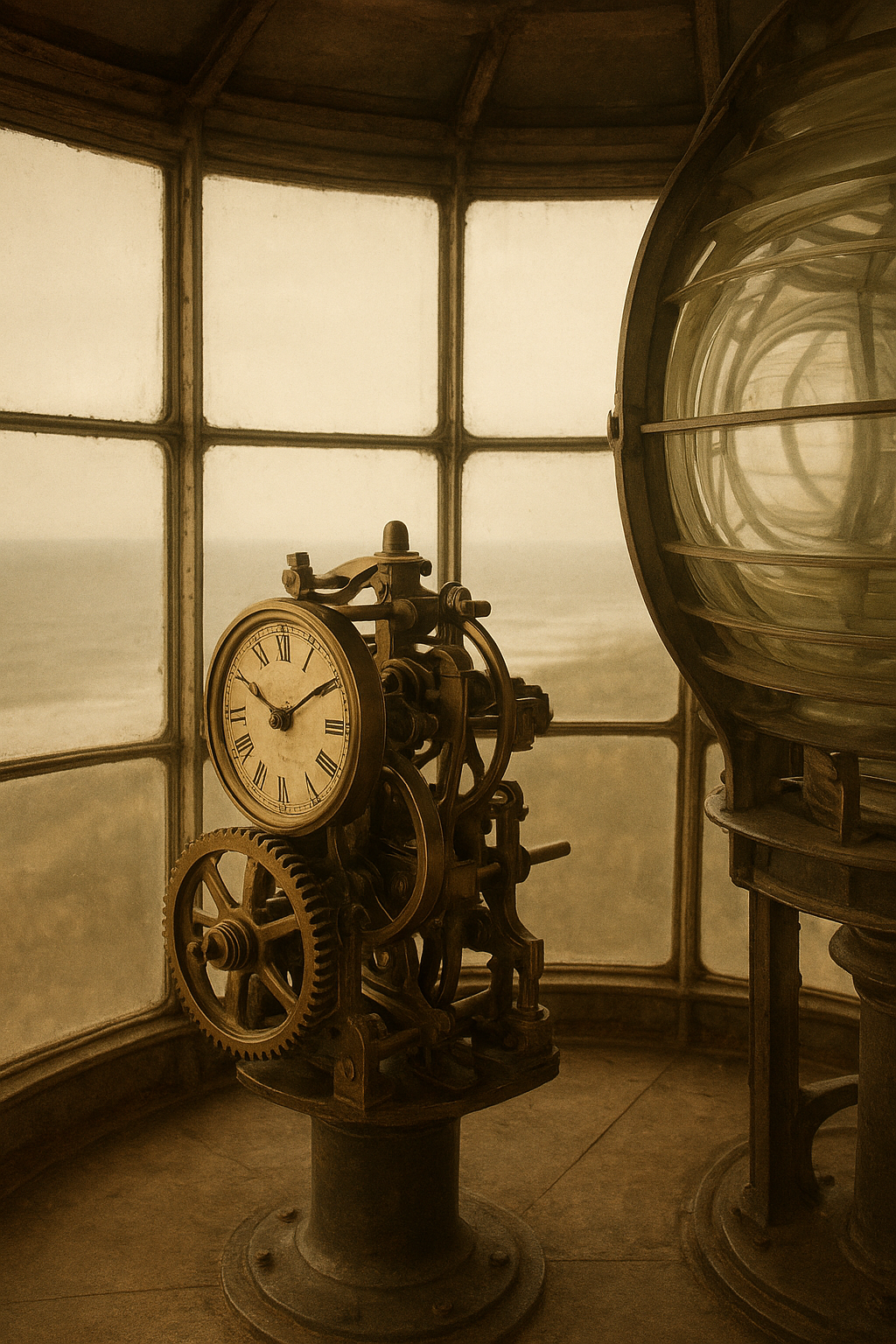
Plate 02 · Lantern Room
Clockwork gearing and polished fittings reveal how keepers balanced precision maintenance with salt-heavy weather exposure.
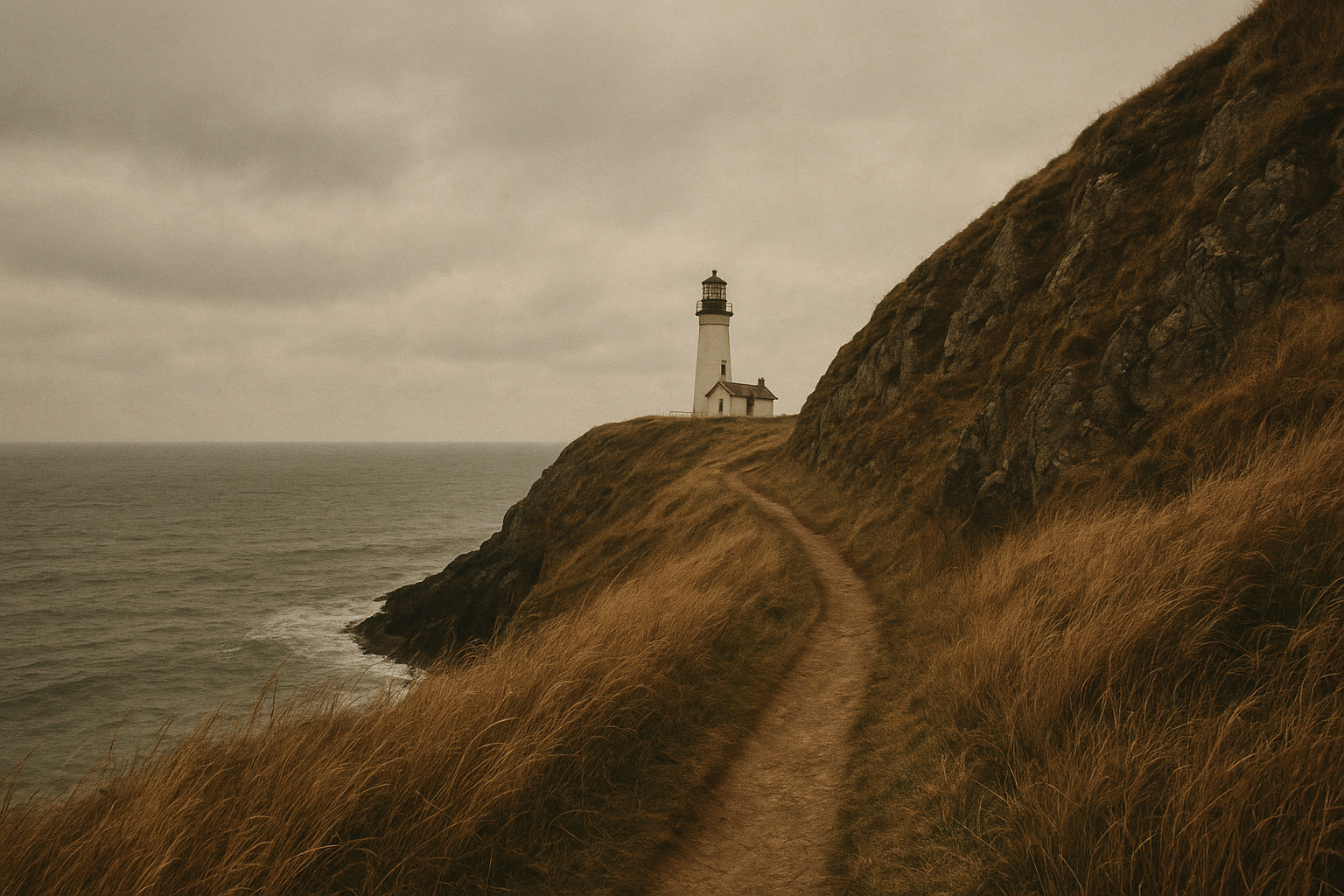
Plate 03 · Keeper Approach
Before road access, fuel and provisions moved along these cliff tracks by hand and sled, especially through winter months.
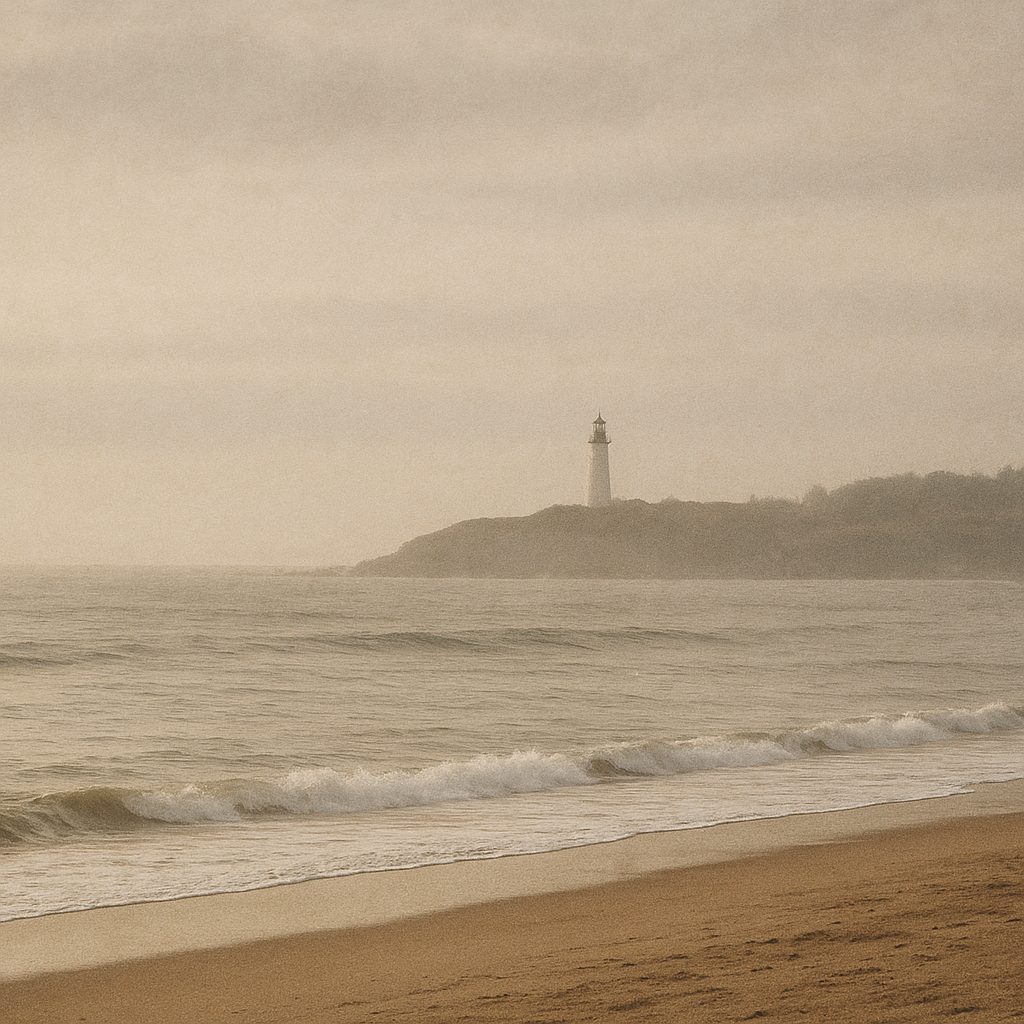
Plate 04 · Shoreline Bearing
Survey notes paired this perspective with tide tables to chart safer turns around submerged reefs near the point.
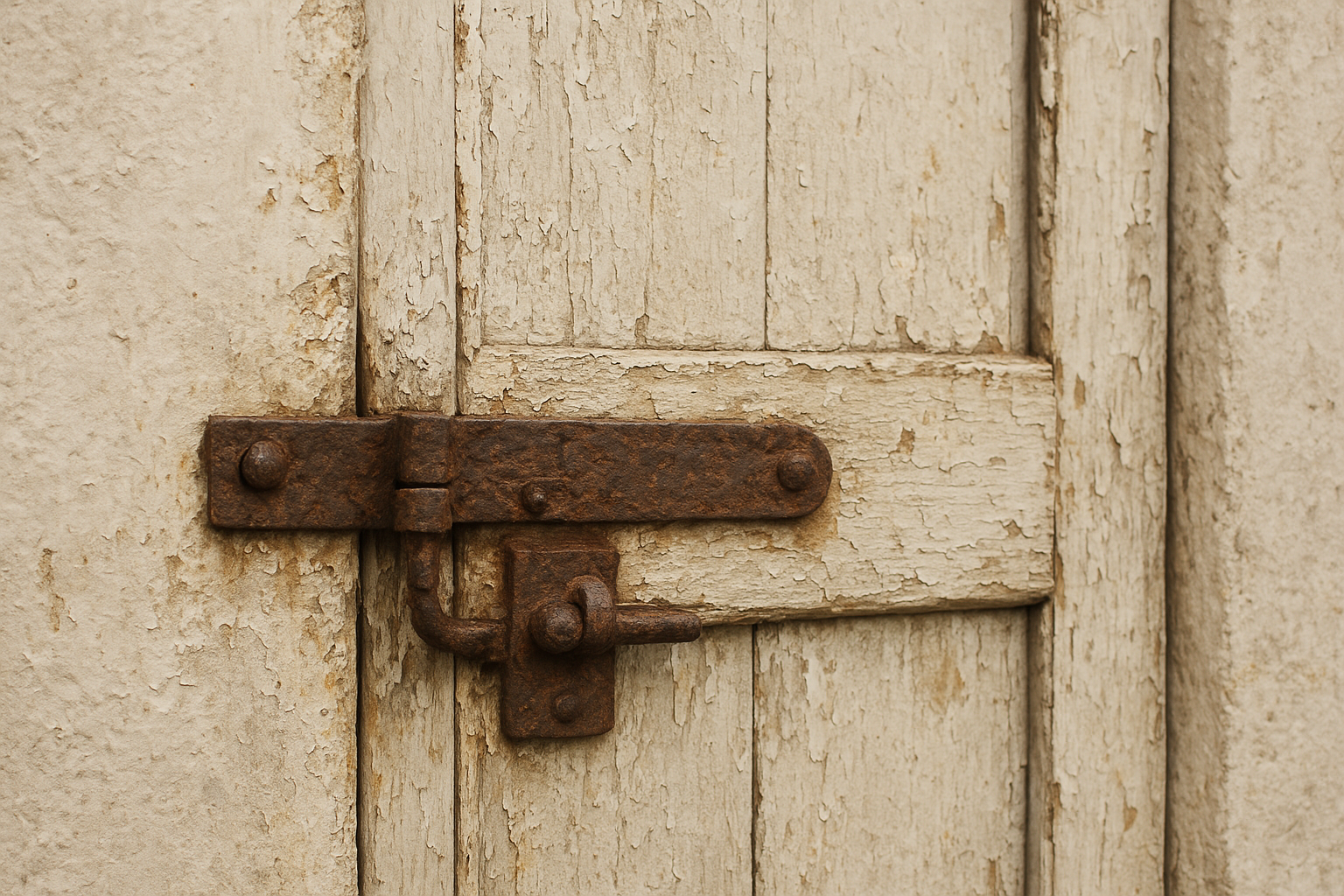
Plate 05 · Service Entry
Layers of paint, iron corrosion, and timber wear document decades of wind, spray, and continuous repair work.
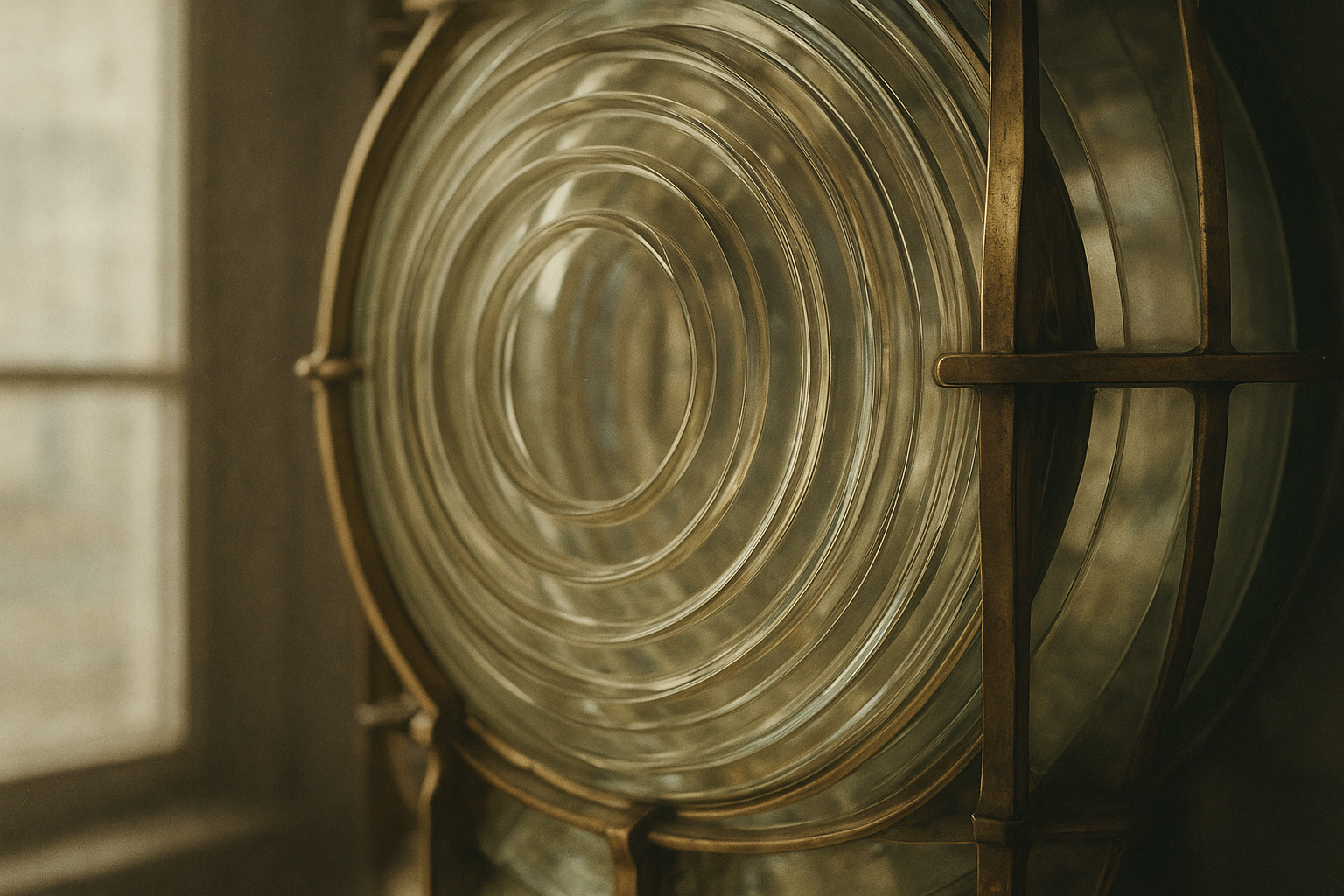
Plate 06 · Beacon Optics
Prismatic glass concentrated lamp light into a focused beam, extending visibility well beyond what open flame lanterns could provide.
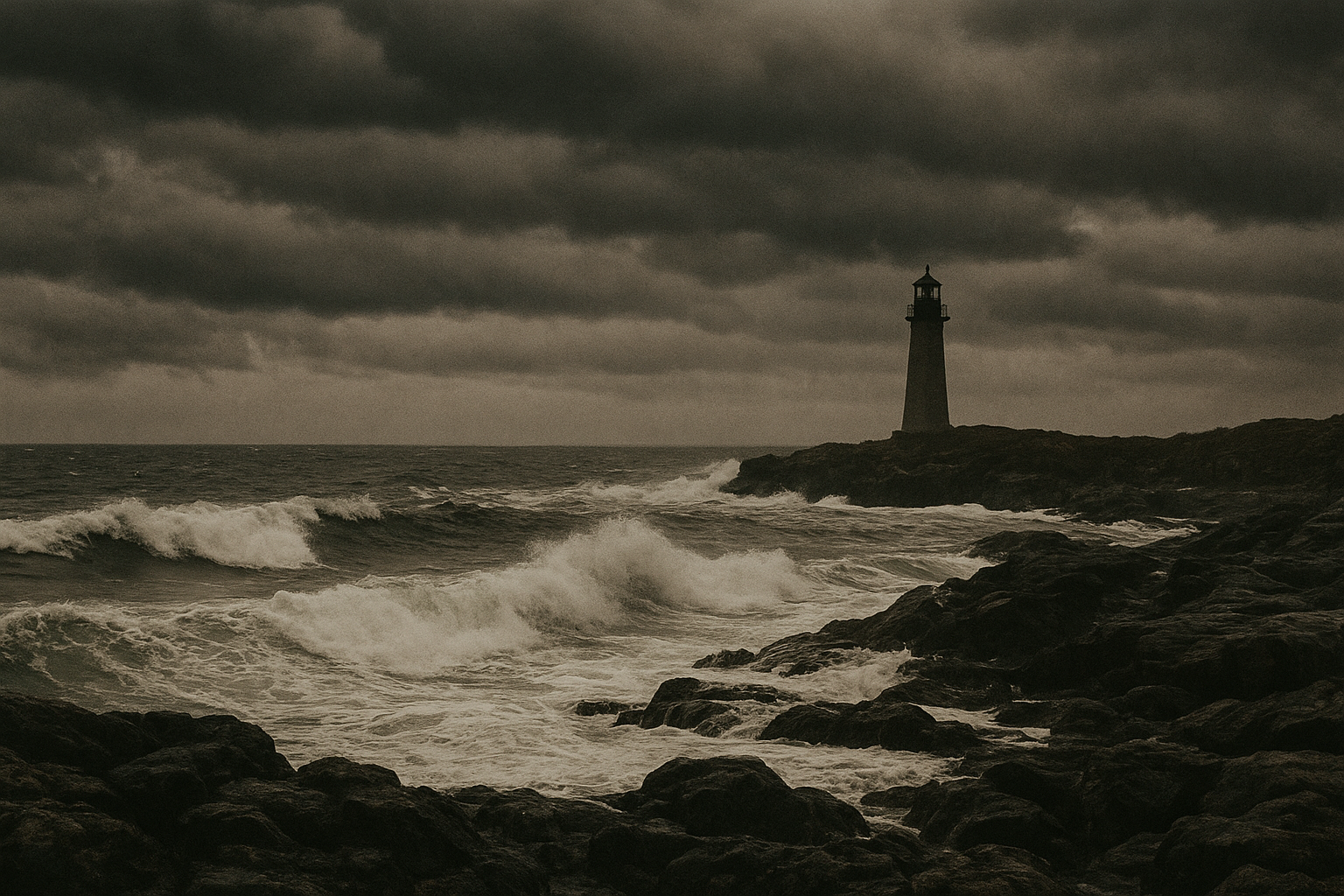
Plate 07 · Gale Conditions
During northeasterly gales, this station logged wave impact and lamp duty intervals to inform regional safety bulletins.
Archive notes
Quick field notes on structures, weather, and daily practice behind the northern lights.
Copper framing resisted salt corrosion, but panes still clouded quickly under sea mist and soot.
Winter spray formed ice bands on gallery rails, adding weight and constant maintenance risk.
Granite blocks were keyed together to absorb repeated wave impact at the base.
Supply landings depended on tide windows; rough swells could isolate stations for days.
Diaphone blasts carried farther than bells, especially in low cloud and heavy rain.
Night watches rotated in strict intervals to trim wicks, log visibility, and monitor bearings.
Layer tests reveal repaint cycles, storm repairs, and postwar material substitutions.