
Why the northern coast’s lighthouse record still matters

This archive follows the towers, keepers, and working waters that shaped navigation along the northern coast. By pairing documented stories with preserved structures, the collection helps explain how these lights supported safe passage, anchored local memory, and continue to guide preservation decisions today.
Coastal chronology

How the northern lights were built, kept, and preserved

A concise timeline of key periods in the region’s lighthouse development, from first hazards charts to coordinated preservation.

  1. 1810s–1830s

    First hazard lights established

    Timber beacons and oil lamps were placed at exposed inlets, creating the first dependable night signals for fishing and cargo vessels.

  2. 1840s–1870s

    Stone towers replace temporary stations

    Permanent masonry towers rose on major headlands, extending visibility and anchoring a formal coastal route network.

  3. 1880s–1910s

    Keeper families shape station life

    Records from logbooks and letters reveal daily maintenance routines, weather reporting, and community support around each light.

  4. 1920s–1960s

    Electrification and remote monitoring

    Lens upgrades and electric systems improved reliability while reducing on-site staffing at smaller offshore towers.

  5. 1970s–present

    Preservation era and public records

    Heritage groups documented surviving stations, restoring select towers and linking archives to mapped preservation sites.

Preservation Focus

What remains still teaches us how the coast once lived.

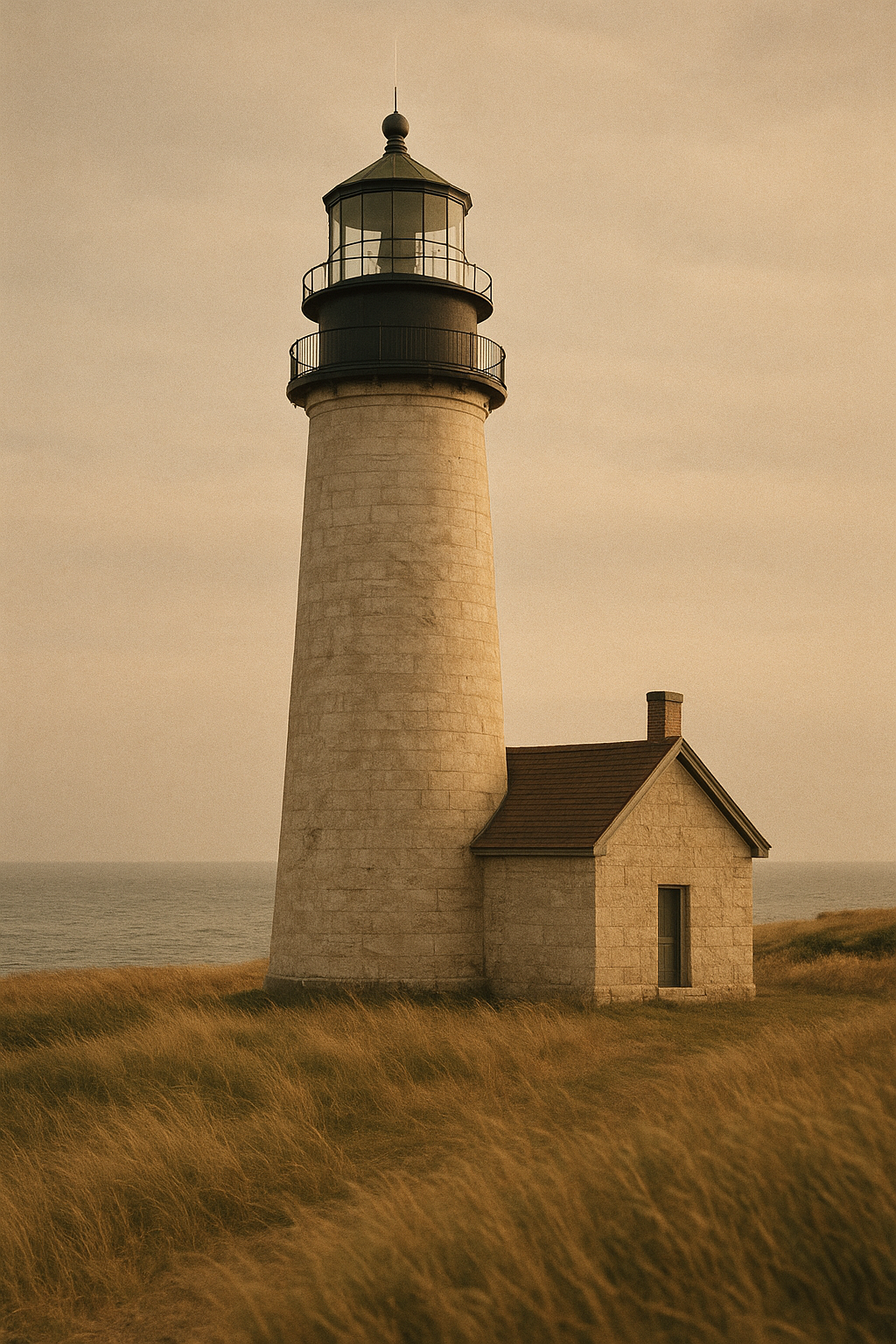
Preserved towers matter not as monuments alone, but as working memory. Their masonry, lantern rooms, and weathered fittings hold traces of labor, weather, and local care that written records cannot fully keep.

  • Survival

    Cliffside towers endure through repeated repair rather than untouched age.

  • Restoration

    Salt-worn iron and glazing are conserved to keep original character legible.

  • Access

    Many sites open selectively, balancing public paths with fragile coastal ground.

  • Memory

    Oral histories and keeper logs help each restored tower remain a lived place.

View the map.
Restored northern-coast lighthouse exterior with weathered stone base and repaired lantern gallery in warm late-afternoon light
Conservation work often leaves gentle evidence of both original craft and modern stewardship.